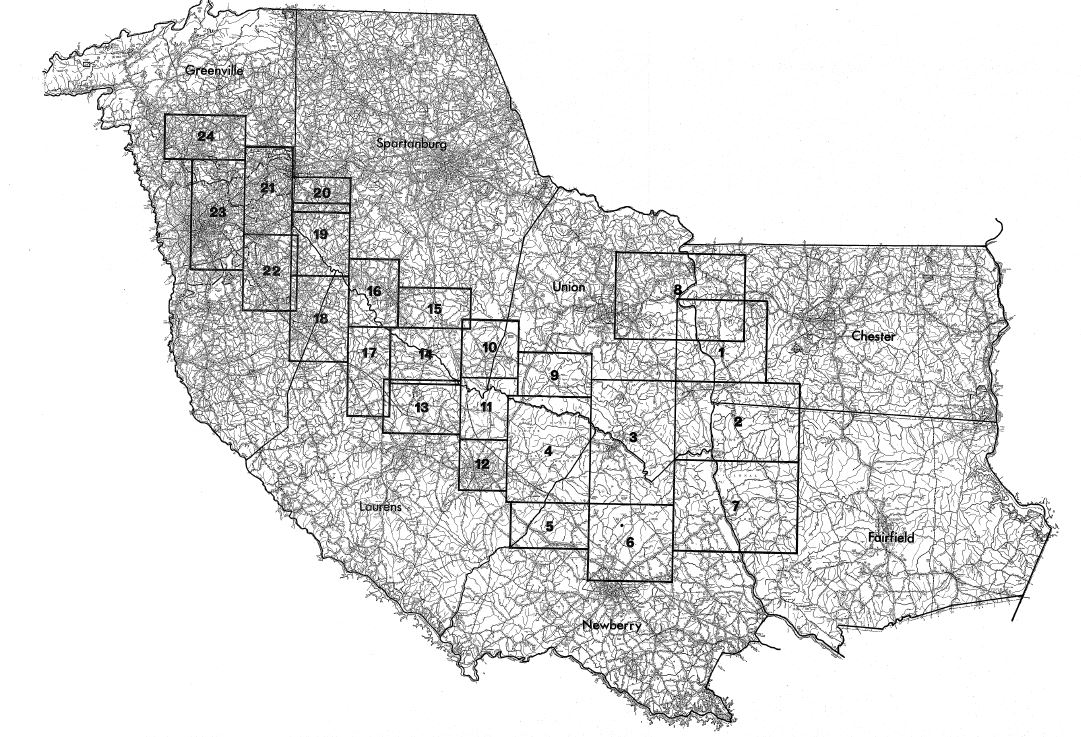
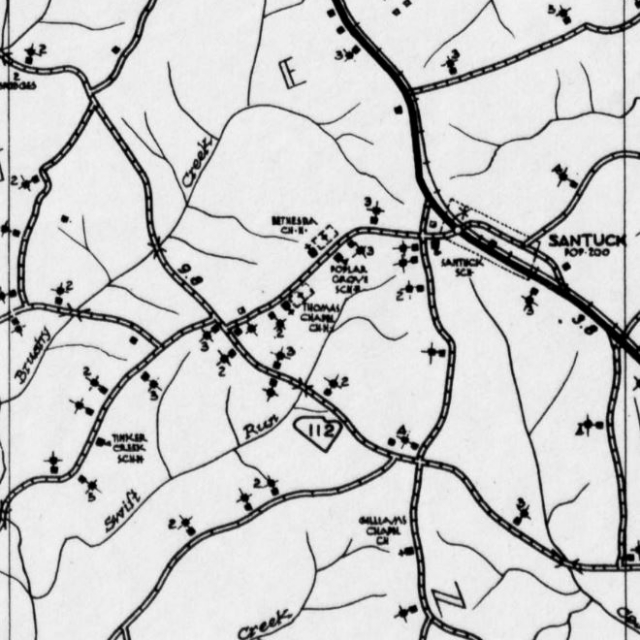
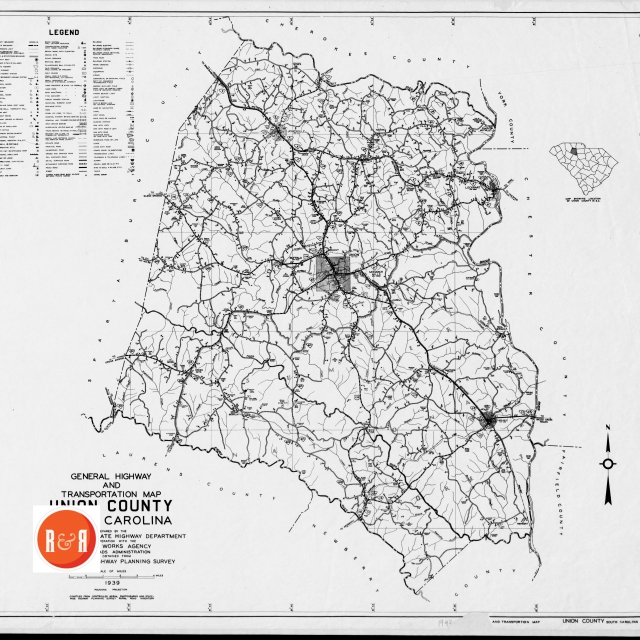
Map showing the areas covered by the Upcountry Land Grant Project. This collection was originally created by the Union County Historical Foundation / Union Co Museum in 1976. Researchers are indebted to Dan E. Collins of Whitmire, S.C. for his extensive knowledge and help in this project. Others who played vital roles are: Robert Mm Duncan and Col. Wm. J. Whitener.
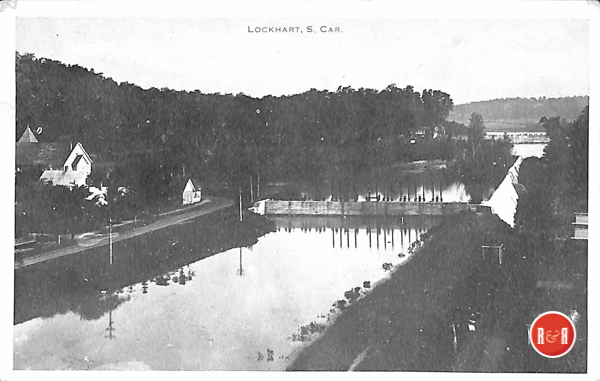
View of the canal that powered the Lockhart Mill for decades. Courtesy of the AFLLC Collection – 2017
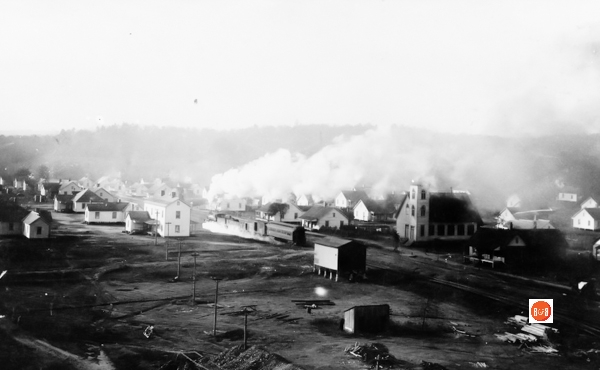
An early view of the Town of Lockhart, S.C.
The Rock Hill Herald reported on Dec. 16, 1896 – “That S.B. Lumpkin of the Broad River Navigation Company informed us that the new steamer, to ply between Cherokee Falls and Lockhart Shoals has been completed and will be on the river soon.”
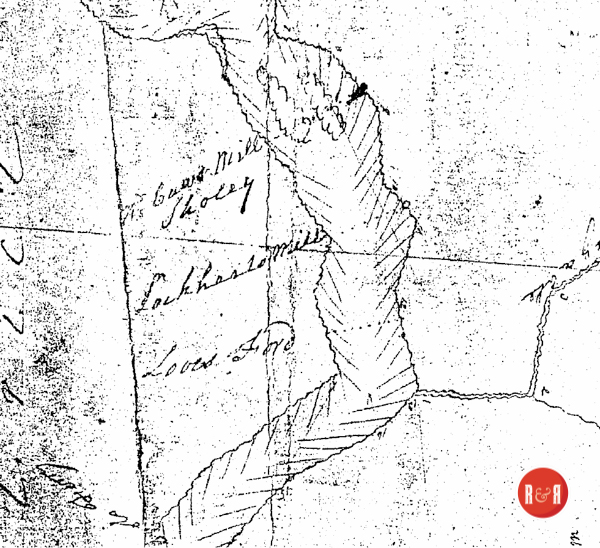
Map of Lockhart Mill via Boyd’s 1818 Survey of Chester Co., S.C. (See enlargeable map below)
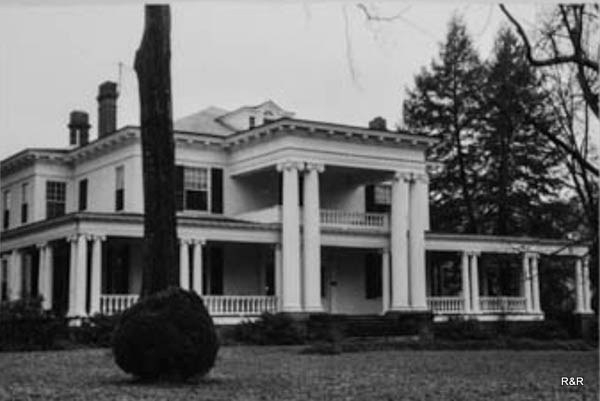
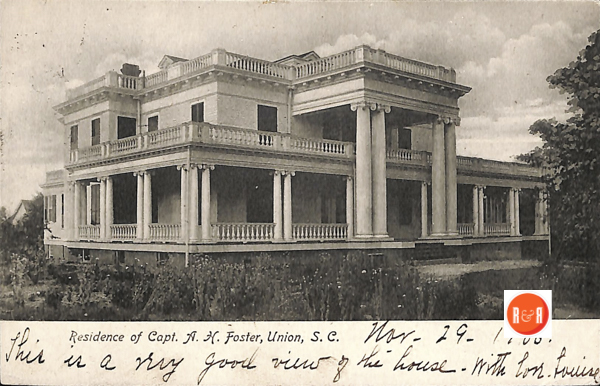
Image courtesy of the Fredrick Tucker Collection – 2017
Courtesy of the SC Dept. of Archives and History – 1984
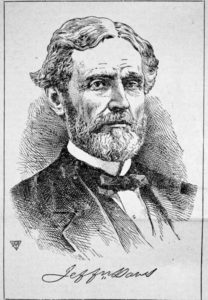
Confederate President Mr. Jefferson Davis – Sketch shown in the Yorkville Enquirer ca. 1900. Jefferson Davis would have traveled through Pinckneyville following his ferry ride over the Broad River. He may have lodged in the area for the night but by noon was eating lunch at the Wallace’s Home in downtown Union, S.C. See the attached History Thread.
Image of the Pinckneyville Jail building – date unknown. Courtesy of the Union County Historical Museum
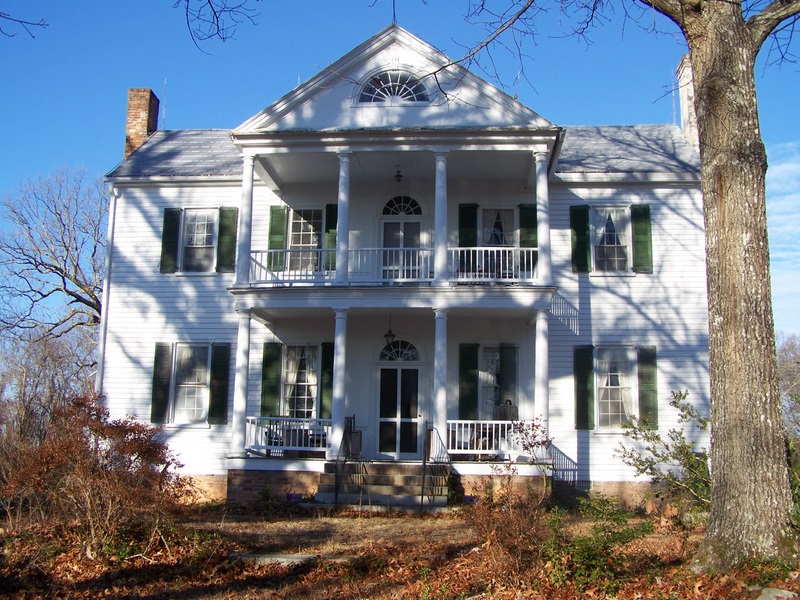
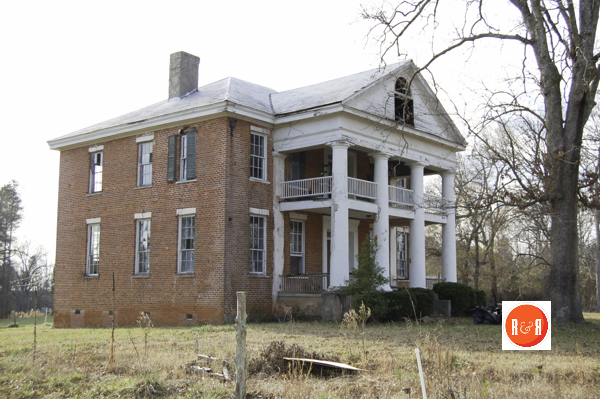
This home is not Wyoming but the home of Nathaniel Gist, Jr. and his brother Joseph F. Gist. It is an excellent example of the type home large planters were constructing the the region. – Thanks to R&R contributors for their invaluable assistance in gathering data on this and other houses.
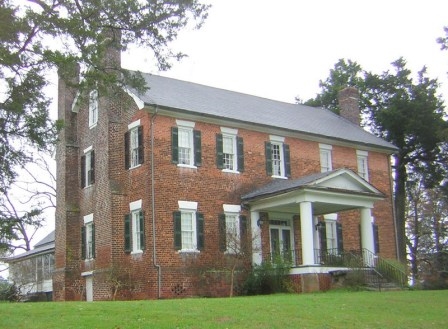
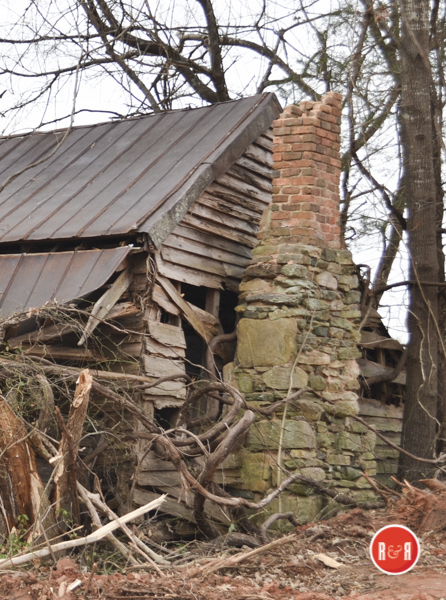
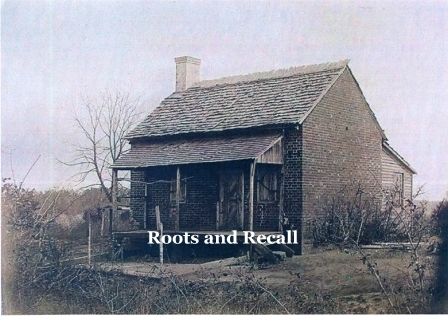
Old cabin on the side of the road, near from Cross Keys. This building could have easily have been in use along Jefferson Davis’s route into Laurens County, S.C.
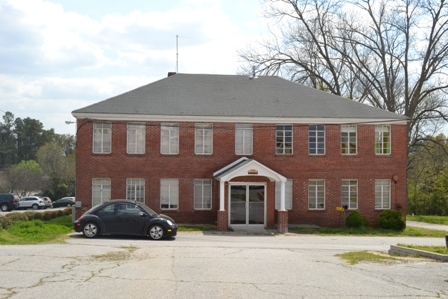
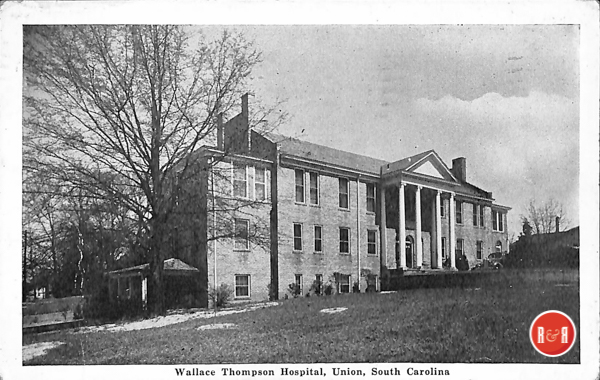
Union’s “whites only” hospital. Courtesy of the AFLLC Collection – 2017
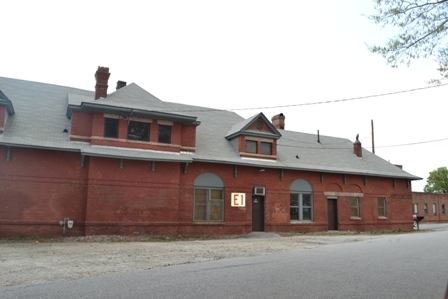
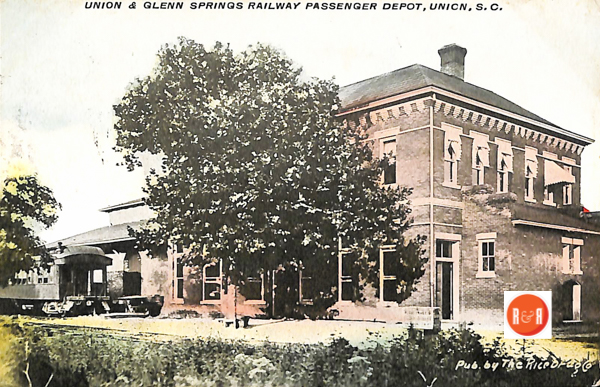
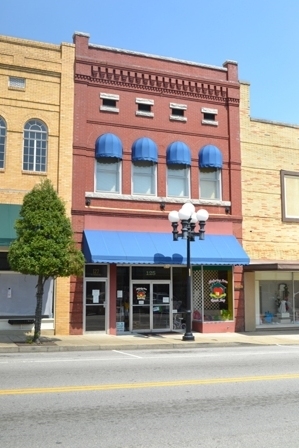
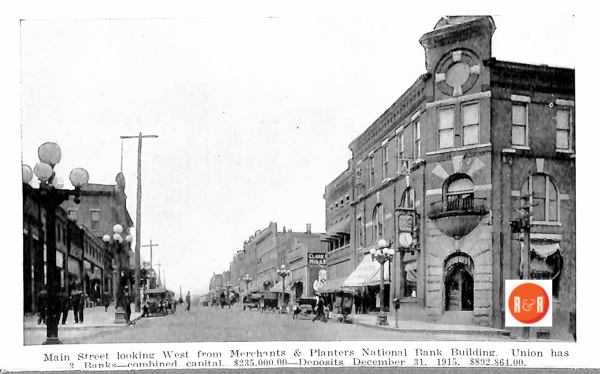
Image courtesy of the Tucker Collection – 2017
This building was constructed to the west of the Opera House #127 East Main Street.
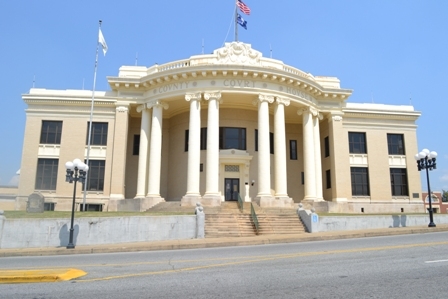
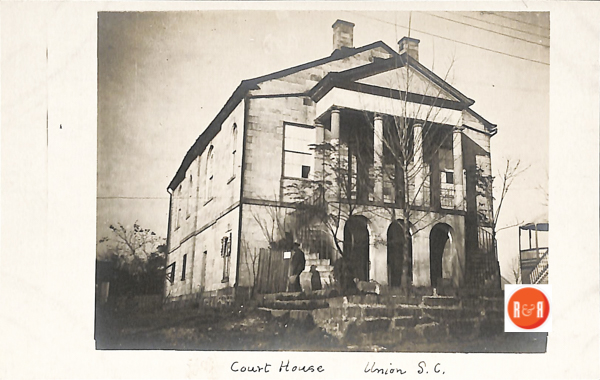
Rare view of the original Union Co Courthouse. Courtesy of the Fredrick Tucker Collection – 2017
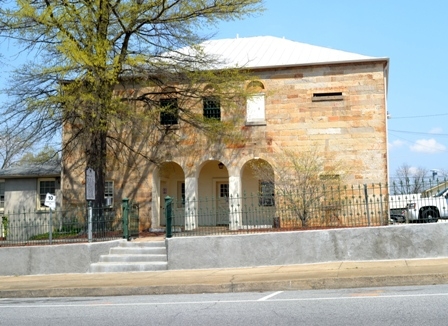
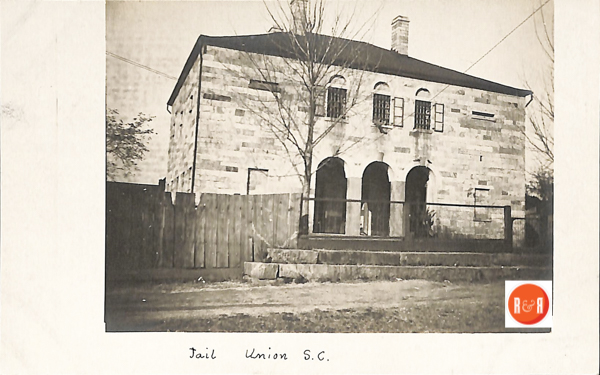
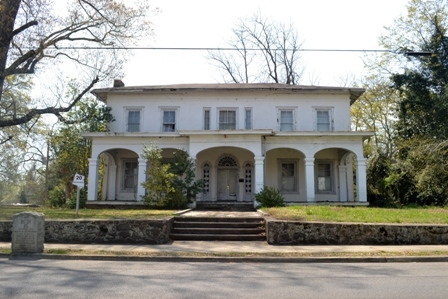
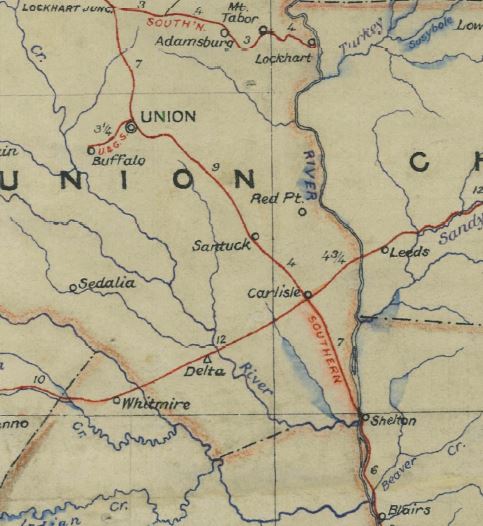
Map of Union County, S.C. – 1852 showing the route from Pinckneyville Ferry to Union, S.C.
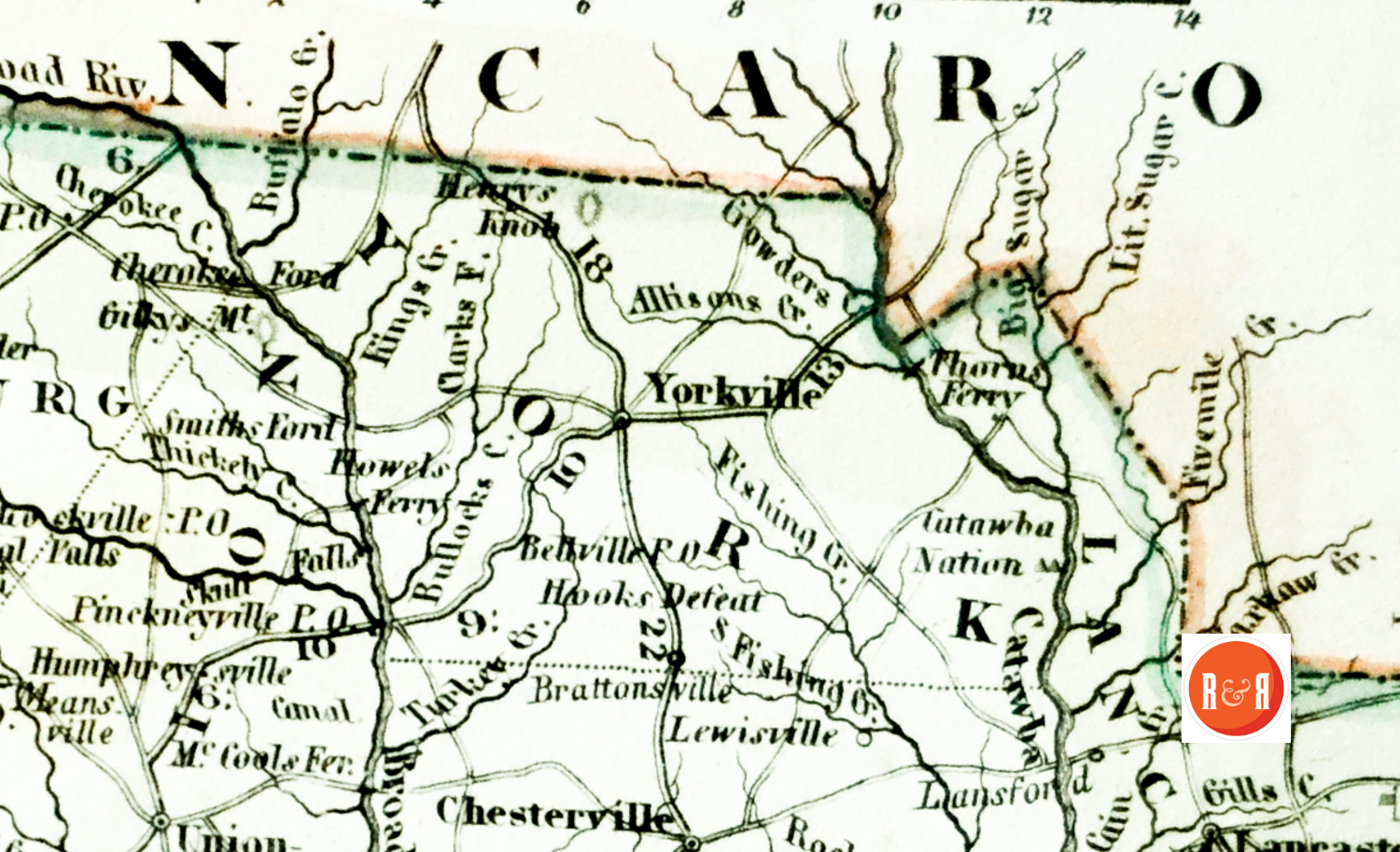
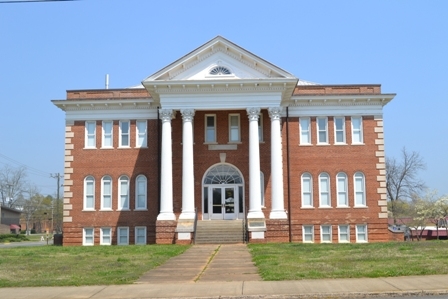
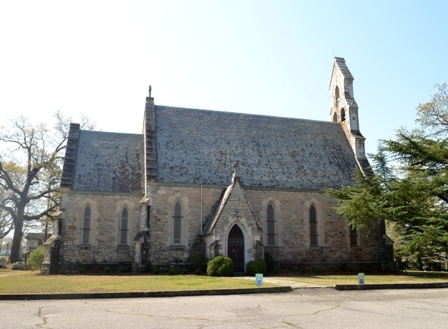
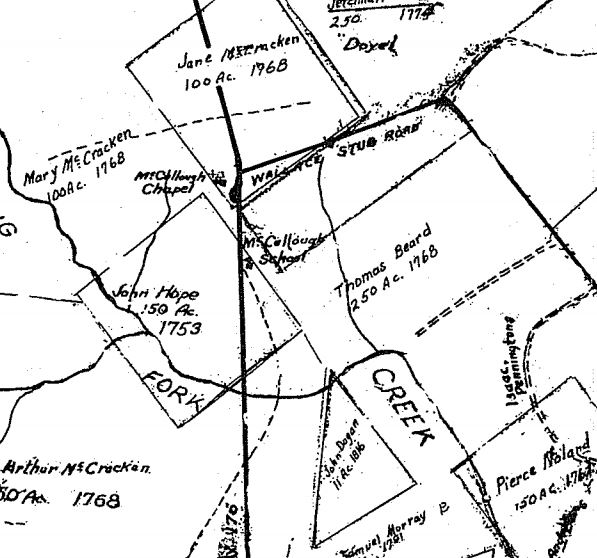
Upcountry Land Grant Map: Union Co Foundation / Museum 1976. Showing the McCollough School and Chapel location in Union County, not Spartanburg, which was a financial failure.
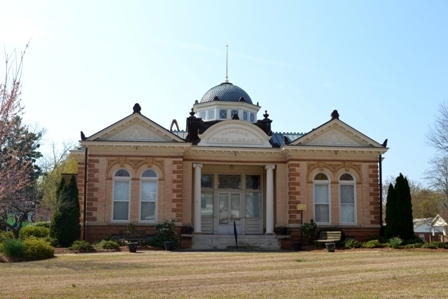
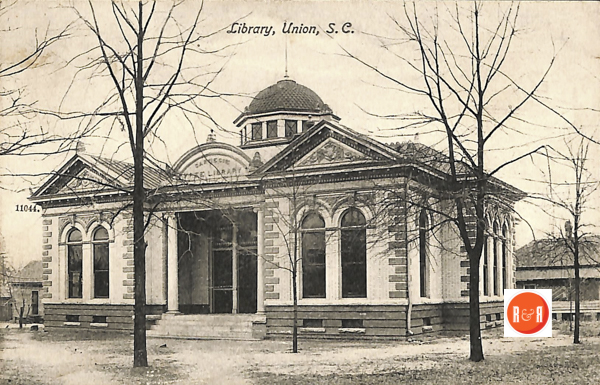
Courtesy of the Fredrick Tucker Collection – 2017