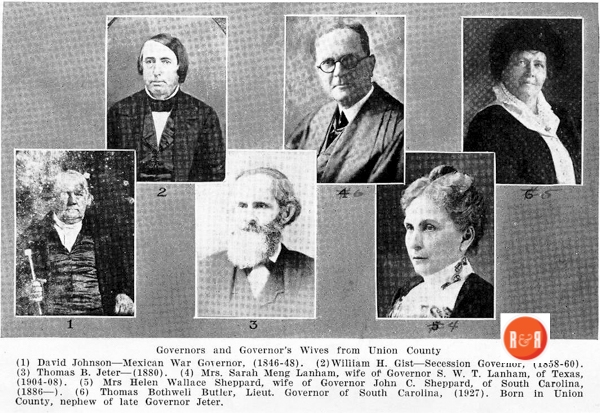
City Directories and History: Historian, Chalmers G. Davidson wrote in The Last Foray, Gist, Hon. William Henry of “Rose Hill Plantation,” Tyger River, plantation. Born Aug. 22, 1807 (S.C.); married May 13, 1828, Louisa Bowen (1813-April 6, 1830) and Oct. 10, 1831, Mary Elizabeth Rice (April 11, 1813-June 13, 1889); died Sept. 30, 1874. Education: College of S.C. (left 1827); read law. Church: Methodist…. Slaves: 178 (Union District)
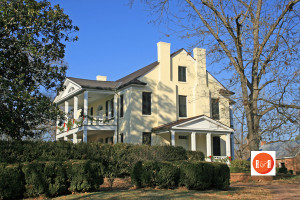
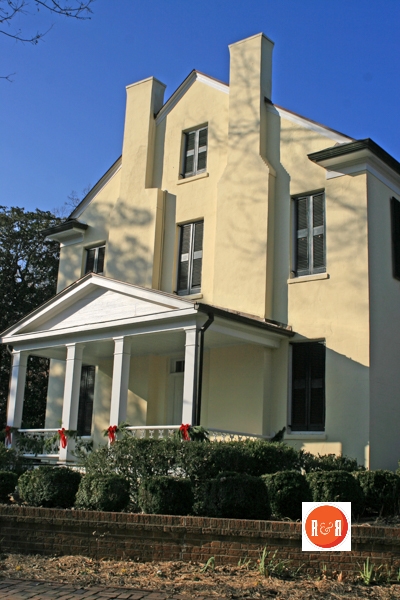
Image courtesy of photographer Bill Segars – 2007
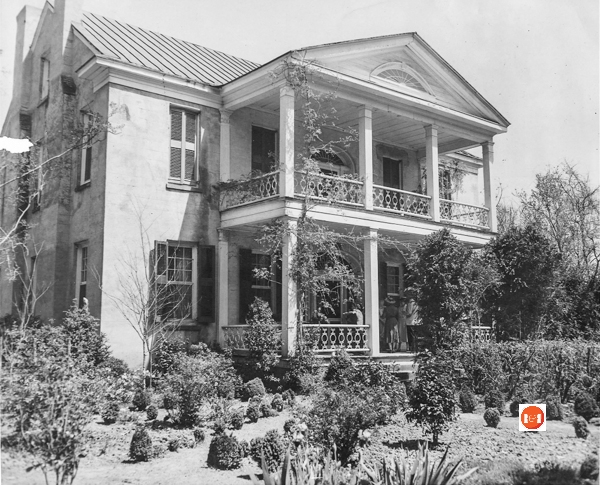
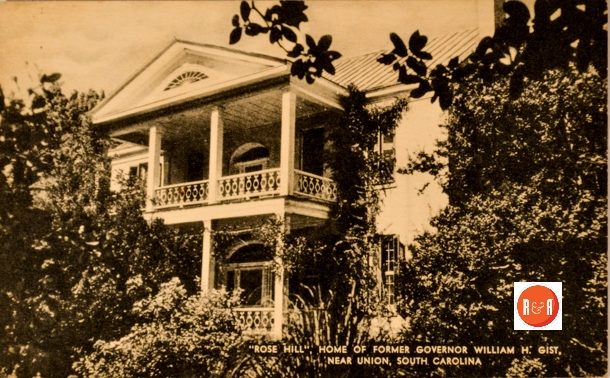
(Gov. William H. Gist House) Rose Hill was built between 1828 and 1832. After 1860, the brick was covered with stucco and two-tiered back and front piazzas were added. The classically inspired house features more refined ornamentation than usually found in upcountry houses of the period. Notable interior features are spiral staircase, doors, moldings and fireplaces. The house is surrounded by boxwoods, rose gardens and magnolias, enclosed by a cast-iron fence. Rose Hill’s original owner and builder, William H. Gist, represented the Union District in the South Carolina Legislature from 1840-44, and in the South Carolina Senate from 1844-56. He served as Senator and Lieutenant Governor from 1848-50 and Governor from 1858-60. Gist effected the Secession Convention that brought about the Ordinance of Secession, of which he was a signer. The property at present is Rose Hill Plantation State Historic Site comprising the house, outbuildings, and forty-four acres of land. Listed in the National Register June 5, 1970. [Courtesy of the S.C. Dept. of Archives and History]
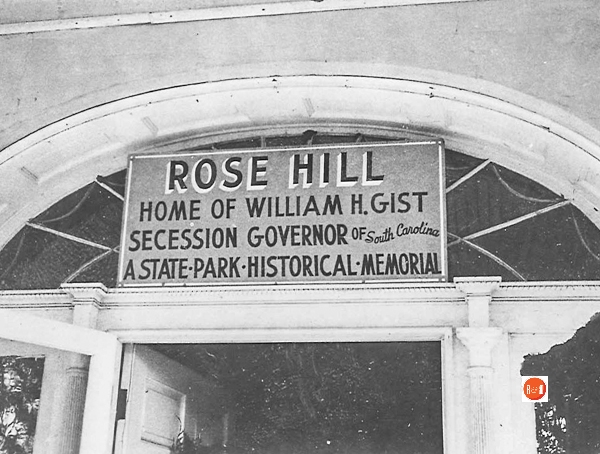
It is said that at one time one hundred old- fashioned roses bloomed in Governor William Henry Gist’s garden, and it was from this garden that the house and plantation were named. Governor Gist built this two-story brick house in 1828 on a hilltop near Tyger River about nine miles from Union Court House. The house is built of rose-colored brick. It has a pedimented portico, front and rear piazzas, and an elliptical fanlight above the entrance. A brick walk of herringbone pattern leads from the rear to slave quarters and the kitchen. In 1960 the General Assembly appropriated funds to purchase Rose Hill and forty-four acres of land which is maintained and operated by the State Park Commission and Forestry as a Historical Memorial.
Information from: Names in South Carolina by C.H. Neuffer, Published by the S.C. Dept. of English, USC
Membership in R&R
Stay connected with R&R, “Explore S.C. history, historic houses, & family stories…” Sign up for a R&R membership. Members receive the “From the Porch” blog, updates on regional topics, and targeted notifications of their choice. Membership also includes travel opportunities: Carolina DeJaunts. Login and prioritize your specific points of enthusiasm: R&R Login. If you only wish to receive the “From the Porch” newsletter and no additional membership content, use the R&R Blog signup form.
User comments welcome – post at the bottom of this page.
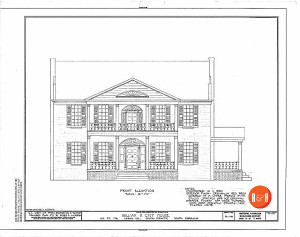
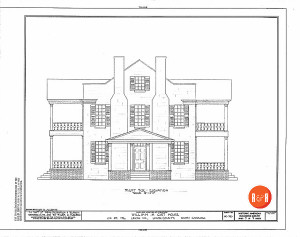
Images(s) and information from: The Library of Congress – HABS Photo Collection
Please enjoy this structure and all those listed in Roots and Recall. But remember each is private property. So view them from a distance or from a public area such as the sidewalk or public road.
Do you have information to share and preserve? Family, school, church, or other older photos and stories are welcome. Send them digitally through the “Share Your Story” link, so they too might be posted on Roots and Recall.
Thanks!
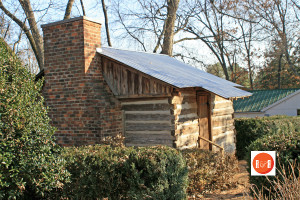
Image courtesy of photographer Bill Segars – 2007

User comments always welcome - please post at the bottom of this page.


Share Your Comments & Feedback: